
You load into a lobby, an enemy killstreak starts hammering the map, and your teammates scatter in different directions. Nobody calls out the flank. Nobody touches the objective. Someone finally switches on their mic, but only to complain after the match.
The best multiplayer Call of Duty won't fix that squad by itself. You need a game whose pace you enjoy and teammates who agree on what a good session looks like. A relaxed nostalgia night, a disciplined Search and Destroy party, and a movement-heavy Hardpoint squad require different people.
These eight entries cover the eras worth considering, from classic boots-on-the-ground firefights to Omnimovement. Each recommendation pairs the gameplay trade-offs with platform checks and a concrete plan for finding players who match your skill, favorite modes, and mic habits. Black Ops II is my overall pick for coordinated multiplayer, while the other entries win for more specific tastes.
At GamerPlug, every profile opens on real gameplay, and we monitor every profile to keep the platform real and legit. That gives you more to judge than a username and a hope, although you should still check communication and game compatibility before committing.
Pick the experience first. Then recruit people who want to play it the same way you do.
Table of Contents
- 1. Call of Duty 4 Modern Warfare (2007)
- 2. Call of Duty Modern Warfare 2 (2009)
- 3. Call of Duty Black Ops II (2012)
- 4. Call of Duty Advanced Warfare (2014)
- 5. Call of Duty WWII (2017)
- 6. Call of Duty Black Ops 4 (2018)
- 7. Call of Duty Modern Warfare (2019)
- 8. Call of Duty Black Ops 6 (2024)
- How the eight Call of Duty multiplayer games compare at a glance
- Pick Your Era and Find Your Squad Tonight
1. Call of Duty 4 Modern Warfare (2007)
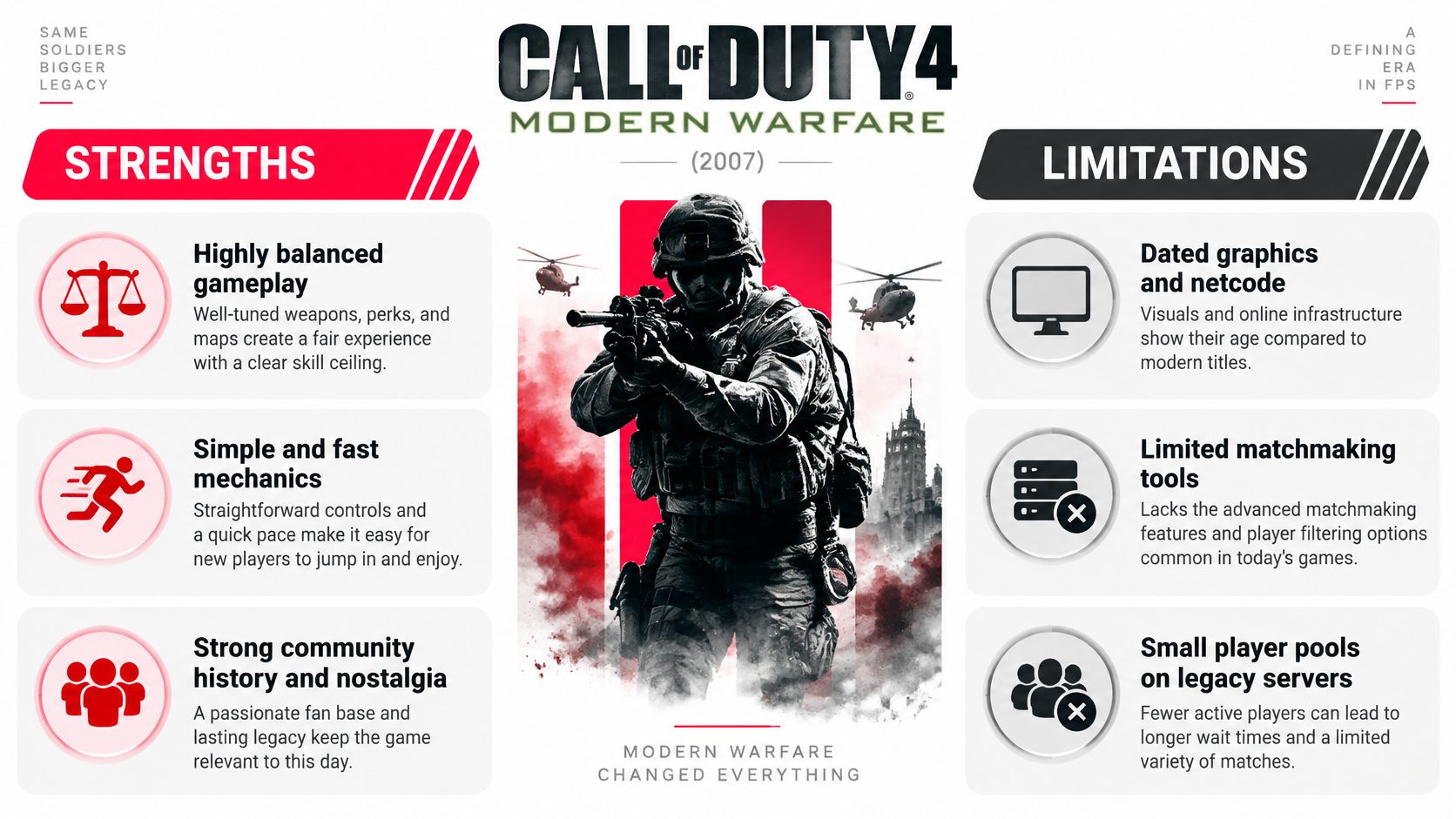
Choose the original Modern Warfare for classic map knowledge and straightforward team play. Its appeal is the relationship between positioning, weapon handling, perks, and killstreaks. You can concentrate on reading the map instead of learning an elaborate movement system.
Search and Destroy is my recommendation for a returning group. Holding a crossing, covering the bomb carrier, and resisting an unnecessary challenge give each player a useful job. The downside is that experienced opponents can punish predictable routes, and familiar maps don't automatically mean forgiving matches.
Recruit for the exact version
Specify the original game, your platform, and your preferred mode. Modern Warfare, Modern Warfare Remastered, and the later reboot aren't interchangeable purchases or multiplayer environments. For an older title, confirm that you can access acceptable matches during your usual playing hours before persuading friends to buy it.
Say you're returning with a friend who remembers Crash but has forgotten the callouts. Recruit patient players who'll explain their positioning rather than demand instant tournament-level knowledge.
- Game knowledge matters: Ask candidates which maps they enjoy and whether they'll teach returning players.
- Set mic expectations: Search and Destroy benefits from brief enemy-location calls, not constant commentary.
- Name the session: Advertise relaxed public matches or agreed-rule private games explicitly.
Our Call of Duty teammate-finding page gives your search a starting point. Use game and platform filters, then put the exact edition in your squad listing so nobody arrives with the wrong installation.
2. Call of Duty Modern Warfare 2 (2009)
Some nights, you don't want restrained multiplayer. You want a dramatic streak, a ridiculous turnaround, and friends laughing at the same outrageous death. The original Modern Warfare 2 is my pick for that kind of squad night.
Its attraction is also its drawback: powerful loadouts and killstreaks can produce memorable matches, but they don't guarantee a clean competitive contest. Choose it for explosive public-match energy, not because you expect every encounter to feel carefully balanced. This is the original sequel, not the later Modern Warfare II release.
Build around tolerance for chaos
A useful squad agrees on what's acceptable before loading in. If someone wants unrestricted public-match mayhem while another player complains about every strong weapon, neither person will enjoy the session.
Hardcore Team Deathmatch suits friends who prefer deliberate shots and careful movement, but Hardcore isn't shorthand for organized competitive play. Recruit for that specific preference rather than assuming everyone seeking serious matches wants it.
Squad rule: Similar expectations matter more than matching Prestige emblems. Progression doesn't tell you how someone communicates or handles a loss.
Say you're organizing an evening with returning console friends. Post the platform, region, preferred mode, mic requirement, and whether you're playing public matches or private games with equipment restrictions.
Ask candidates for a representative clip, not just their best streak. Watch whether they notice teammates, cover an exposed route, and recover calmly after dying. Confirm platform compatibility and your intended playlist before queuing, since the original game doesn't offer the same grouping options as newer cross-platform entries.
3. Call of Duty Black Ops II (2012)
Black Ops II gets my overall recommendation for coordinated Call of Duty multiplayer. Pick 10 loadouts let players make meaningful equipment trade-offs, while scorestreaks give objective-minded players a reason to contribute beyond chasing kills. Its strongest squad experience comes from combining individual gunskill with clear responsibilities.
Its competitive reputation has substance: Shane the Gamer's Call of Duty sales analysis describes Black Ops II as a foundational professional multiplayer title and places its estimated lifetime sales at approximately 30–31 million copies. That historical reach explains its importance, but it doesn't establish present-day queue health on your platform.

Find objective players, not just highlight hunters
For a Hardpoint group, recruit people who can explain when they rotate, when they contest, and when they hold a useful lane. A clip of someone protecting a teammate's approach can tell you more about squad fit than an isolated multikill.
Say your party keeps losing despite winning gunfights. Rather than adding another aggressive slayer, look for someone comfortable organizing rotations and maintaining control around the objective.
- State your ruleset: Separate unrestricted public play from competitive-style private matches.
- Describe missing roles: Ask for an objective player, a lane holder, or an aggressive entry player.
- Confirm access first: Establish platform, installed content, region, and whether your group can join the intended matches.
The trade-off is practical: this is a legacy recommendation, not a promise of effortless matchmaking. Choose Black Ops II for the multiplayer design, then secure a compatible group before building your evening around a particular playlist.
4. Call of Duty Advanced Warfare (2014)
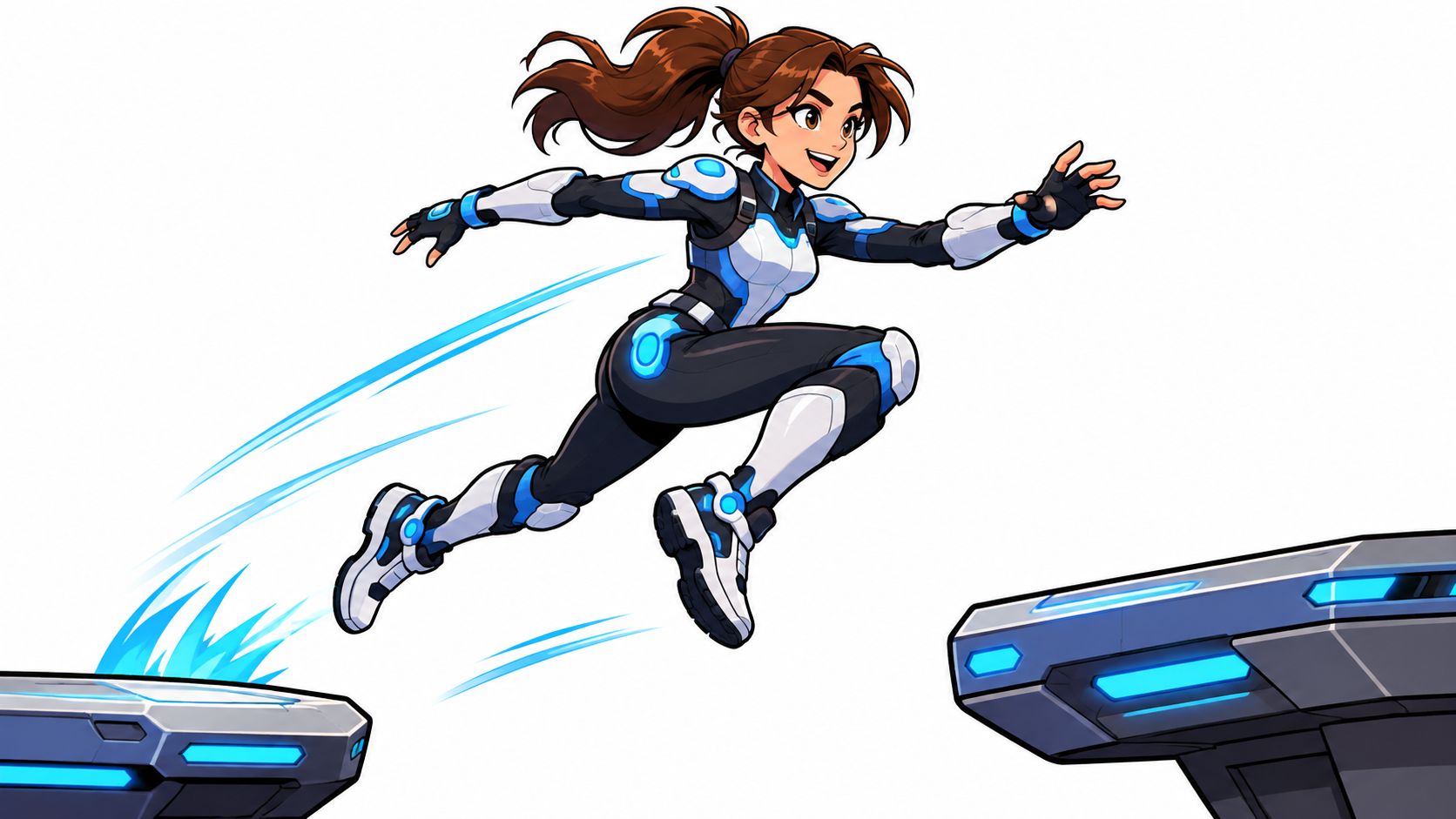
If grounded Call of Duty feels too predictable, Advanced Warfare is the movement-era detour to take. Boost jumps and directional movement make vertical awareness part of every engagement. A route that looks covered at ground level may still be vulnerable from above.
That freedom creates a real learning cost. Players who enjoy tracking airborne opponents and changing elevation will find room to improve; players who want stable sightlines may find the same encounters exhausting. Don't recruit purely by aim clips when movement awareness is the skill your party needs.
Practice the approach before the gunfight
Start a private match and choose an objective approach to rehearse. Have an aggressive player take the raised route while a teammate covers the ground-level exit, then swap jobs. The point is to create complementary pressure rather than have everyone boost into the same exposed space.
Your looking-for-group post should name competitive multiplayer or Exo Survival, because they're different experiences. Exo Survival is cooperative play, not a substitute for a competitive playlist.
For example, a returning player who wants to learn boost movement needs patient practice partners, not a group advertising immediate competitive readiness. Include your comfort level, input method, platform, and willingness to warm up.
Before recruiting broadly, check access to your intended mode and agree on a backup private-match plan. On a legacy movement title, finding people who share your schedule is especially useful: a compatible roster lets you practice together instead of repeatedly teaching new arrivals how your squad approaches the map.
5. Call of Duty WWII (2017)
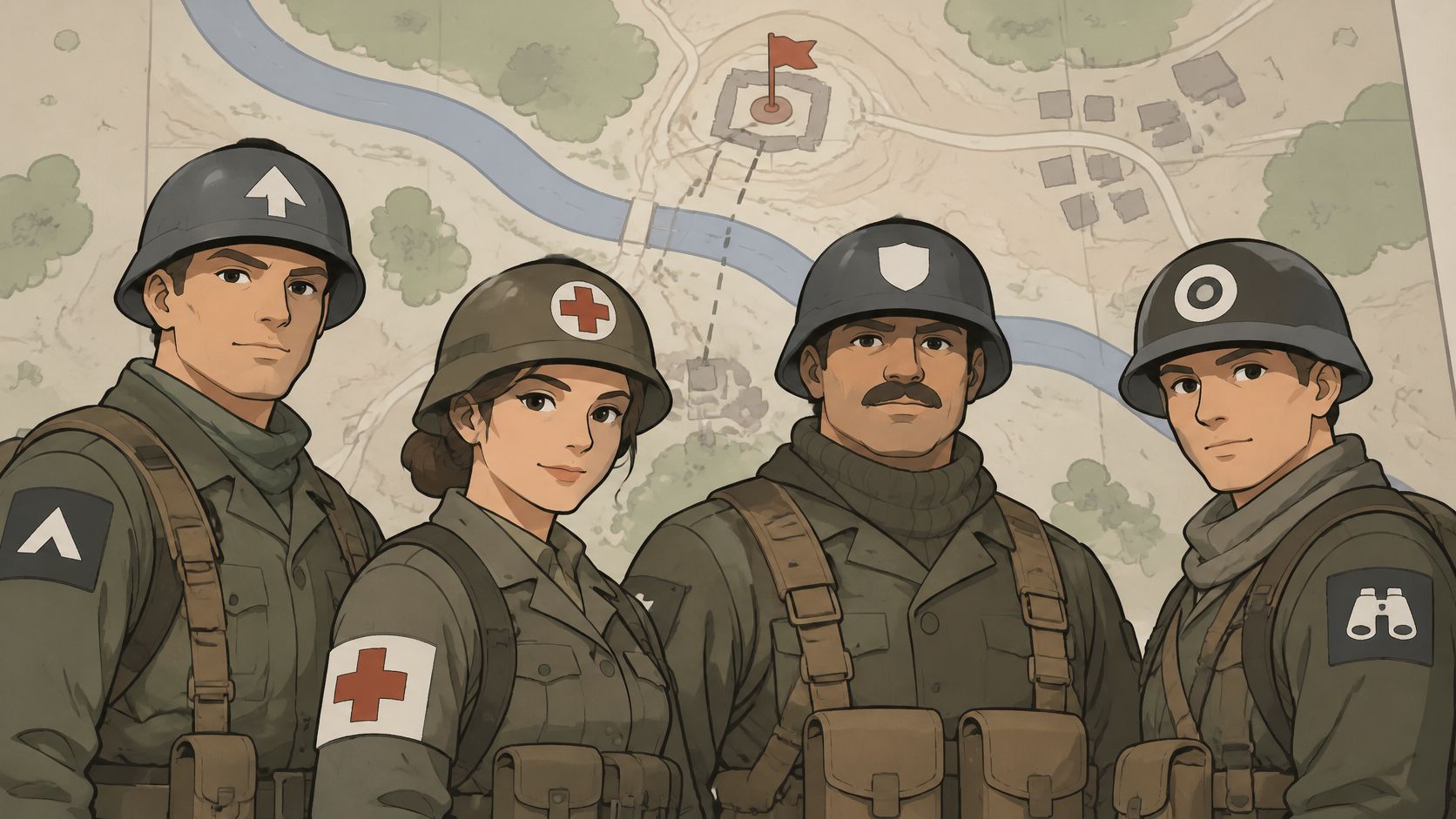
WWII is the recommendation for players who want grounded objective play with visible team jobs. Its Divisions framework gives you a useful way to discuss loadout preferences, while War offers a clearer shared task than asking everyone to improve their kill count.
The strength is direction. When your squad agrees to advance an objective, defend an approach, or support a push, you can tell whether someone is helping. The limitation is equally clear: teammates who refuse to engage with the objective can make a structured mode frustrating.
Recruit responsibilities rather than a rigid composition
You don't need a different Division for every player. You need people whose loadouts and decisions support the task. Ask what someone likes doing under pressure, then organize around those preferences.
- Push support: Find players willing to use utility and cover teammates crossing exposed ground.
- Defensive coverage: Recruit someone comfortable watching a flank instead of chasing every nearby shot.
- Objective commitment: Make clear that playing the task matters more than protecting personal statistics.
Say your friends repeatedly stall at the same objective approach. Find a teammate who enjoys supporting advances and discussing timing, rather than adding another player who wants to flank alone.
Use your squad listing to name War or your preferred standard multiplayer mode, your platform, and your mic habits. Keep the communication requirement realistic: concise coordination during a push is useful; constant backseat instructions aren't. Check the intended playlist during your normal session window before asking new teammates to commit to a recurring night.
6. Call of Duty Black Ops 4 (2018)
Black Ops 4 suits squads that enjoy combining gunfights with Specialist utility. You're choosing more than a weapon preference: you're also choosing how to help your team gather information, defend space, or break an opponent's setup.
The benefit is tactical variety. The drawback is that ability timing can make an otherwise straightforward fight harder to read, particularly when teammates use their tools independently. Pick this entry if your group wants to coordinate utility, not if everyone wants equipment to stay in the background.
Separate core multiplayer from Blackout
A core multiplayer teammate and a Blackout teammate aren't automatically a match. One may want repeated objective engagements; the other may prefer looting, rotations, and the longer decisions of battle royale. Put the actual mode in the listing, not merely the game name.
For a core objective squad, describe the job you need filled. Say your party can win opening fights but keeps losing control afterward: recruit someone who likes defensive utility and holding useful space rather than another player focused entirely on entry kills.
Recruit for the moment after the highlight. A teammate who helps secure the objective after winning a fight is more useful than someone who immediately abandons it.
Review clips for utility timing and teammate awareness. Ask whether candidates prefer an active shot-caller or a quieter group that shares essential information.
Platform and mode access need checking independently, especially if Blackout is your reason to return. Don't assume an available core multiplayer session proves your preferred battle royale queue will suit your region and schedule. Arrange the group around a mode you can play together.
7. Call of Duty Modern Warfare (2019)
Modern Warfare rewards squads that plan their routes, tune weapons for specific jobs, and communicate before pushing. Gunsmith offers plenty of ways to shape a loadout, but match your build to the range and route you expect to play. A setup built for close fights won't help much if your squad keeps taking long angles.
Search and Destroy suits patient teammates who share information. Gunfight is a better fit for a small duo that wants every decision to count. Players who prefer constant pressure may clash with a group that checks each approach before moving.
Agree on tempo before attachments
If you and a friend keep losing because you enter fights separately, fix that first. Test your builds in a private match, agree on who starts each engagement, and keep the supporting player close enough to trade. Changing every attachment won't solve a split push.
- Name your tempo: Say whether you want patient Search and Destroy, aggressive respawn modes, or focused Gunfight.
- Describe your skill: Share recent experience that fits the mode, rather than relying on an unrelated old rank.
- Confirm communication: Choose in-game voice or your agreed party-chat setup before inviting everyone.
Cross-platform play can give your group more options, but matching platforms alone does not settle the setup. Before queuing, confirm the exact game, cross-play settings, account connections, and that voice chat works. Use this cross-platform compatibility guide as a reference for checking what needs to line up.
For Modern Warfare, prioritize a teammate who sticks to an agreed plan and communicates when it stops working. A strong shot who changes routes every round without warning can leave the squad exposed. A steadier player who keeps you informed is often the better partner.
8. Call of Duty Black Ops 6 (2024)
Black Ops 6 is my pick for squads that want fast movement and modern multiplayer systems. Omnimovement lets players sprint, slide, and dive in different directions, giving aggressive players more ways to reposition. The cost is a busier tracking challenge, so recruit people who can support that pace without scattering.
Use the gameplay video to judge whether that movement style looks enjoyable before committing your group.
Match performance expectations as well as skill
In TechPowerUp's Black Ops 6 GPU testing, an RTX 3060 or RX 6600 sustained 60 FPS at 1080p using the Extreme preset without upscaling. Treat that as a tested hardware reference, not a guarantee for every system or multiplayer situation.
Digital Foundry's console analysis found that PS5 and Xbox Series X maintained approximately 60 FPS through most gameplay, while Series S showed weaker performance. Name the actual console in your listing rather than assuming every console player has the same experience.
Say your Hardpoint squad wants to improve coordinated pushes. Practice movement around cover in private matches, then recruit someone who can trade your entry instead of sprinting toward an unrelated fight.
Include platform, region, preferred mode, mic requirement, and stable frame-rate target. Use our Call of Duty LFG guide to make the listing specific, and confirm current playlist availability before promising a particular competitive session. Good movement helps; shared timing makes it useful.
How the eight Call of Duty multiplayer games compare at a glance
| Item | Developer | Standout Feature | Best For | Main Drawback |
|---|---|---|---|---|
| Call of Duty 4: Modern Warfare (2007) | Infinity Ward | Perk-based loadouts, killstreaks, and Prestige progression | Players seeking fast, classic CoD multiplayer | Dated graphics and limited legacy matchmaking |
| Call of Duty: Modern Warfare 2 (2009) | Infinity Ward | Deep loadout customization and escalating killstreaks | Players who enjoy varied builds and Hardcore modes | Some perks and killstreaks can snowball matches |
| Call of Duty: Black Ops II (2012) | Treyarch | Scorestreaks that reward objective play | Players who want varied modes and flexible rewards | Older servers and matchmaking can be inconsistent |
| Call of Duty: Advanced Warfare (2014) | Sledgehammer Games | Exosuit boost jumps and dashes | Players who enjoy mobility-focused combat | Movement differs sharply from classic CoD pacing |
| Call of Duty: WWII (2017) | Sledgehammer Games | Division roles for structured squad play | Players who prefer historical settings and objectives | Slower pacing than many newer CoD games |
| Call of Duty: Black Ops 4 (2018) | Treyarch | Specialist abilities, Blackout, and Zombies | Players seeking multiple multiplayer modes | No traditional single-player campaign |
| Call of Duty: Modern Warfare (2019) | Infinity Ward | Gunsmith weapon customization | Players who prefer tactical, methodical gunplay | Slower pacing may not suit everyone |
| Call of Duty: Black Ops 6 (2024) | Treyarch | Omnimovement for fluid, fast-paced combat | Players seeking a current, high-speed team shooter | Fast pacing can overwhelm newcomers |
Pick Your Era and Find Your Squad Tonight
Black Ops II is the best multiplayer Call of Duty choice for a squad that values coordinated objective play. That doesn't make it the right purchase for every player. If you can't assemble a compatible group or access the matches you want, choose an entry that better fits your actual evenings.
For nostalgia, pick Call of Duty 4 when you want classic positioning and Search and Destroy. Pick Modern Warfare 2 when you want the louder, less restrained version of that night. Both work best when your friends agree whether they're there to compete, experiment, or enjoy the chaos.
For grounded objectives, choose WWII and recruit people who'll support the task. For utility coordination, choose Black Ops 4 and separate core multiplayer recruitment from Blackout. Don't make someone discover after joining that your idea of a session is completely different from theirs.
Turn the recommendation into a playable plan
Movement fans should choose Advanced Warfare for boost-driven vertical fights or Black Ops 6 for Omnimovement. Players who prefer deliberate routes and weapon tuning should choose Modern Warfare. Your strongest fit is the game whose frustrating moments you're still willing to learn from.
Build the group with a practical sequence:
- Choose the exact game: Include the edition, platform, region, and intended mode.
- Set the skill range: State the relevant rank where available, or describe your experience plainly.
- Define mic habits: Say whether voice is required, optional, or reserved for essential callouts.
- Include your schedule: Give a timezone and realistic session window.
- Review candidates: Look at representative gameplay, discuss expectations, and test the party connection.
Don't confuse a great clip with a complete teammate assessment. Ask how someone handles a losing match, whether they'll switch roles, and what they expect from the group. Try a low-pressure session before treating the roster as permanent.
GamerPlug is free to use on iOS, Android, and the web, and our squad posts let you specify mode, rank range, platform, and whether a mic is needed. Use those fields to filter for the session you want, not the most impressive-sounding roster.
Pick an era you enjoy, recruit for the missing role, and confirm everyone can join. You don't need strangers who promise to carry. You need teammates who'll play the same game with the same expectations.
Gamerplug helps you find gaming teammates through gameplay-led profiles and squad listings built around mode, skill, platform, and mic preferences. Visit Gamerplug, choose your Call of Duty entry, and post the session you want to play tonight.