
You've got three friends online, one open slot, and no agreement on what to queue. A tactical shooter can punish the player who joins without a mic, while a battle royale can feel fine with a loose trio. Rocket League might be perfect for a focused duo, but a five-player MOBA demands role coverage, patience, and a shared plan.
The best games to play with friends online create different squad experiences. This list sorts them through three practical lenses: co-op-style coordination, competitive intensity, and ideal party size. You'll find everything from small Rocket League duos to structured tactical five-stacks, plus direct teammate-finding tactics for each game. If your party's short, GamerPlug is an optional way to search by game, platform, rank, play style, mic usage, and schedule instead of gambling on another random teammate.
Table of Contents
- 1. Valorant
- 2. Apex Legends
- 3. Fortnite
- 4. League of Legends
- 5. Call of Duty Black Ops 6
- 6. Overwatch 2
- 7. Rocket League
- 8. Counter-Strike 2
- 9. PUBG Battlegrounds
- 10. NBA 2K25
- Top 10 Online Games for Friends: Comparison Guide
- Build the Party That Fits the Game
1. Valorant
Valorant is the pick when your group wants every round to feel like a coordinated operation. Riot Games' free-to-play tactical 5v5 shooter combines precise gunplay with agent abilities, so winning depends on more than individual aim. Your team needs someone to create space, someone to control sightlines, someone to gather information, and players who can convert utility into a clean site execute.
The ideal party is a full five-stack. A smaller group can still queue, but solo teammates may not match your pace, communication style, or preferred agents. Competitive play makes those differences obvious. A Duelist who enters late, a Controller who misses smoke timings, or a Sentinel who abandons site coverage can break an otherwise strong round.
Build around roles and communication
Use GamerPlug's rank filter to find players close to your current tier, then state your main role clearly. A listing that says “Controller main, comfortable calling mid-round plans, evening sessions, mic required” gives potential teammates something useful to respond to. Add your agent pool and the maps you understand best.
Gameplay clips help separate a thoughtful player from a flashy one. Show positioning, utility timing, trade discipline, and post-plant decisions, not only highlight kills. A regular practice schedule also matters because Valorant rewards shared habits. If your group wants organized competition, GamerPlug's tournament tools can support bracket play and structured team sessions.
For a deeper look at rank progression, use this Valorant tier list guide.
Practical rule: Find teammates who communicate in the same way you do. Calm, useful callouts beat constant noise.
Valorant suits players who enjoy high pressure, deliberate setups, and measurable improvement. It's less suitable for a party that wants relaxed drop-in sessions with no commitment.

2. Apex Legends
Apex Legends creates a faster, more improvisational squad experience. Respawn Entertainment's battle royale gives each legend a distinct toolkit, while movement, rotations, and quick fights keep the team under constant pressure. The best trio does not merely chase eliminations. It manages space, shares information, and knows when to disengage before a good match turns into a bad fight.
A stable three-stack is the right target for ranked play. One player can take the IGL role and call rotations, another can focus on initiating fights, and a third can anchor the squad with support decisions. That structure doesn't make every match predictable, but it gives the team a common response when the zone closes or another squad contests your position.
Match play style before legend choice
When you post an LFG listing, describe how you play. "Aggressive" can mean early fights, confident third-party timing, or refusing to rotate. Use clearer labels such as fragging, support, or IGL, and include your preferred legends and modes. That helps players find a compatible squad rather than a superficially similar profile.
A clip should show more than damage totals. Include clean rotations, cover usage, banner recoveries, and moments where you choose survival over a low-value fight. GamerPlug's profile and matching tools can help you compare play styles and available schedules before you queue. The Apex Legends team guide is also useful when you're trying to turn three capable players into one functioning unit.
Keep the trio consistent
A regular three-stack usually develops better timing than a rotating set of players. Decide who makes the final call, agree on how you handle contested drops, and set expectations around voice chat. You don't need constant talking, but you do need fast, understandable information about enemy positions, resources, and rotations.
Apex is excellent for friends who want flexible sessions with real room for teamwork. It's a rougher fit for players who disagree on whether every match should become an immediate fight.
3. Fortnite
Fortnite works for a wide range of groups because it supports both casual social play and serious competitive practice. Its building and editing mechanics create a high mechanical ceiling, but a squad can also focus on movement, positioning, loot decisions, and creative modes without treating every match like a tournament.
Party size changes the feel of the game. Duos reward constant coverage and quick decisions, while larger squads create more opportunities for chaotic fights and split responsibilities. If your group includes different skill levels, decide whether everyone wants the same competitive goal before launching into ranked play.
Find chemistry beyond aim
Your LFG post should identify the skills that matter to your mode. Mention boxfighting, editing, piece control, aim, rotation discipline, or positioning. If you prefer consistent drops, list your usual points of interest and explain whether you want early fights or a safer setup.
Clips can show how you build under pressure, but they should also reveal how you support teammates. A player who shares resources, protects a rotation, and communicates enemy movement may fit your squad better than someone with a stronger highlight reel. GamerPlug's Fortnite squad finder gives you a place to describe those preferences while filtering for compatible platforms.
- State your input preference: Cross-platform play is useful, but players may want teammates using a similar control setup.
- Name your squad format: Say whether you need a duo, trio, or full party.
- Show repeatable habits: Include clips with consistent drops, sensible loadouts, and team-focused decisions.
- Use creative practice: Short building or editing sessions can reveal chemistry before ranked queues.
Fortnite is the strongest choice here for a mixed group that wants options. You can build a serious practice routine, run creative drills, or spend an evening playing casually without changing games.

4. League of Legends
League of Legends is for groups that enjoy planning several moves ahead. Riot Games' 5v5 MOBA asks players to manage lanes, farm safely, control vision, secure objectives, and coordinate teamfights. Individual mechanics matter, but a team with better timing and clearer priorities can consistently outperform a group of stronger solo players.
A full party doesn't guarantee a smooth experience. League needs role coverage and compatible expectations. A player who wants to split-push may clash with a group that wants constant five-player fights. A Support who roams aggressively needs an ADC who understands when the lane is temporarily vulnerable. A jungler needs laners who respond to objective setups rather than treating every fight as a surprise.
Build a role-complete squad
Use role filters to find dedicated players, then list champion pools in your post. “ADC main, comfortable on Jinx, Caitlyn, and Ashe” tells teammates far more than “need bot.” You can do the same for jungle pathing, support style, mid-lane preferences, or top-lane pressure.
Clips should demonstrate macro decisions as well as mechanics. Show warding, rotations, objective control, wave management, and useful communication. League rewards repetition, so schedule regular sessions instead of relying on occasional five-player queues. GamerPlug tournament features can also give your group structured scrims before a serious ranked push.
League chemistry starts before the loading screen. Agree on roles, win conditions, and how your team handles a losing lane.
This is one of the best games to play with friends online when everyone enjoys improvement through review and practice. It isn't the right pick for a party that wants immediate action, short rounds, or low consequences for poor coordination.
5. Call of Duty Black Ops 6
Black Ops 6 is the direct, high-speed option for a squad that wants action immediately. Its multiplayer and Warzone modes reward sharp callouts, strong rotations, and loadouts that complement the team rather than five players chasing the same engagement. The game feels social when everyone understands the plan, but random when each player follows a different tempo.
Start by defining the mode. A small group playing fast multiplayer can prioritize aggressive movement and trade kills. A Warzone squad needs a clearer split between entry pressure, mid-range support, information gathering, and late-game positioning. The right teammate depends on the mode, not just the game title.
Advertise your actual role
Use specific terms such as SMG rusher, AR anchor, sniper, or support player in your LFG listing. Add your platform preference and mic expectations. A short clip with clean positioning and clear callouts tells potential teammates whether you play with discipline or just chase clips.
Predictability is valuable. If you always run a particular loadout style, practice it with the same squad so teammates understand how you move and what fights you can support. GamerPlug tournaments can also give competitive groups a way to organize matches and test their roster under pressure.
The embedded gameplay below is a useful reminder of the pace you're signing up for.
Black Ops 6 fits players who want fast feedback and frequent fights. It rewards concise communication, but it doesn't demand the slower round planning found in Valorant or CS2.
6. Overwatch 2
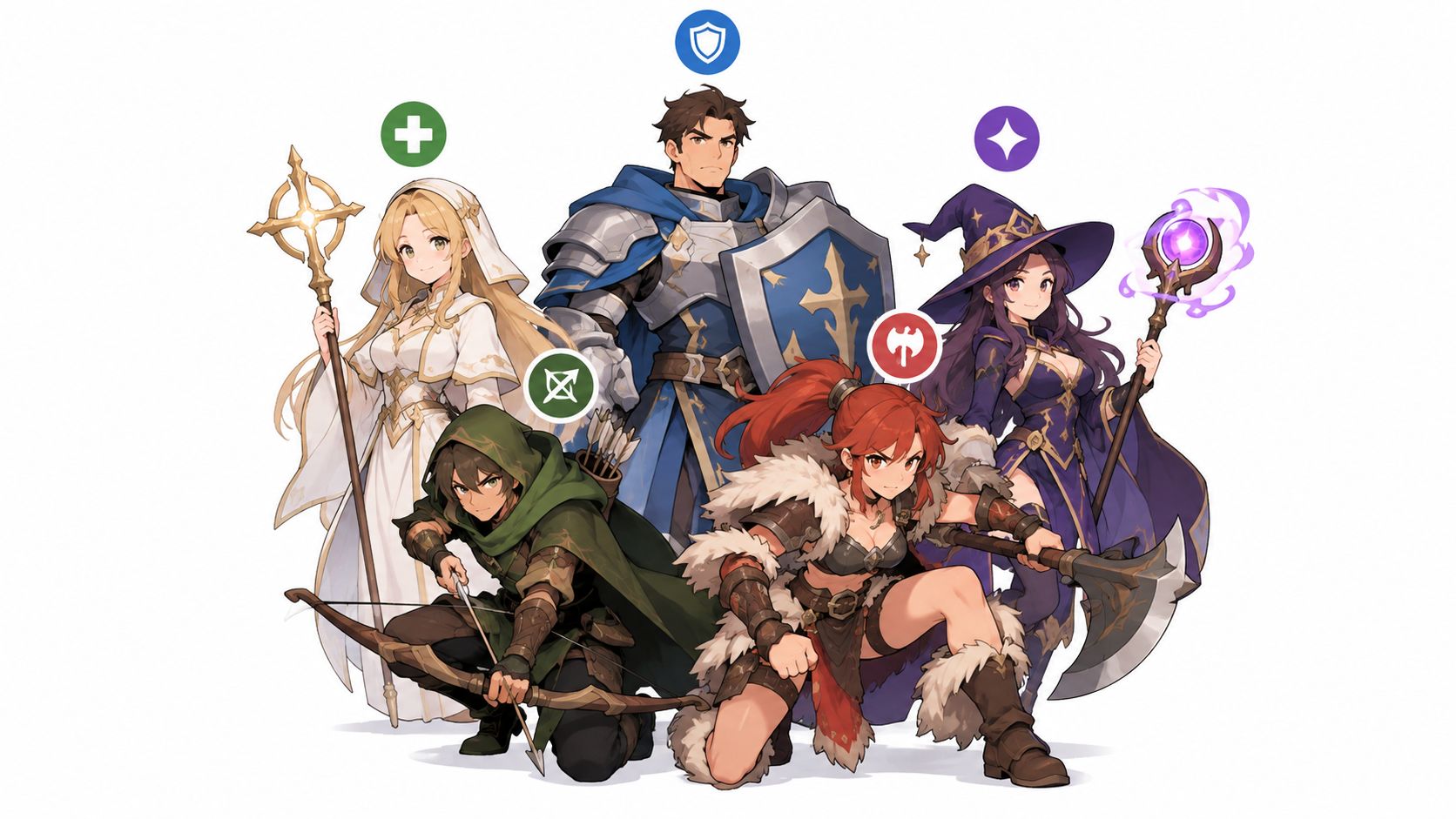
Overwatch 2 turns team composition into the central puzzle. Tank, Damage, and Support players don't operate as separate specialists. They create openings, preserve space, manage cooldowns, and convert ultimate abilities into coordinated pushes. A team can lose despite strong individual aim if its players don't understand who starts the fight and who follows.
The best party is a consistent role-balanced group. Dedicated players make it easier to build trust, especially when the team needs someone willing to lead from Tank or enable a push from Support. Flexibility helps, but five players who all expect someone else to initiate will produce hesitant fights and wasted abilities.
Match hero pools and decision-making
An LFG listing should name your role and several heroes you're comfortable playing. A Tank player might identify Reinhardt, Sigma, or Wrecking Ball. A Support player should explain whether they prefer aggressive playmaking, defensive stability, or utility-focused support. These details help players predict how the team will function.
Clips should show positioning, ability timing, peel decisions, and ultimate economy. A flashy elimination is less useful than a sequence where you protect an ally, force enemy cooldowns, and help the team win the next fight. Schedule scrims with a stable lineup so everyone learns when to engage, retreat, and swap heroes.
Overwatch 2 suits groups that like visible roles and rapid adaptation. Pick it when your party enjoys talking through mistakes instead of blaming the player who couldn't carry an uncoordinated fight.
7. Rocket League
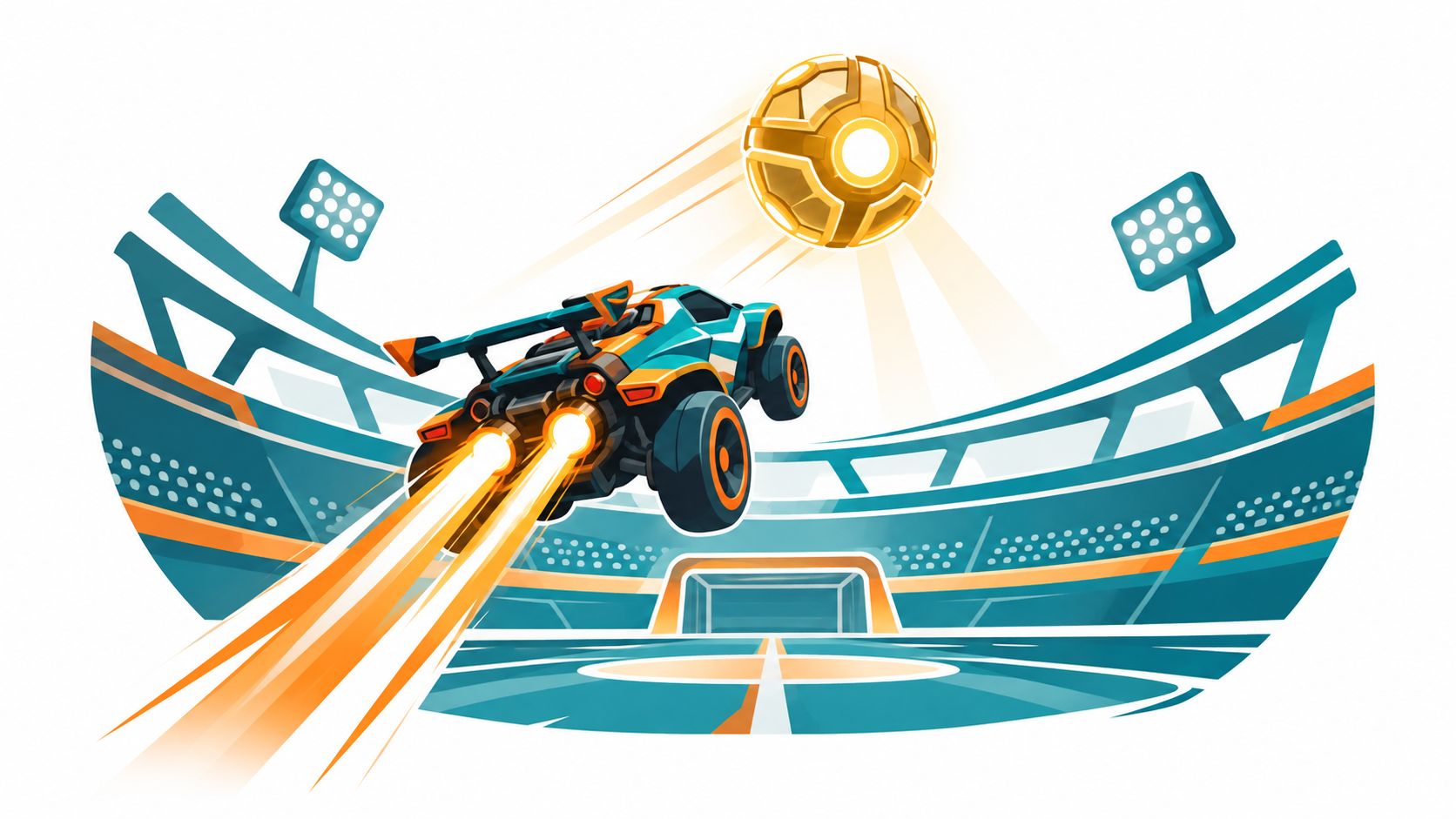
Rocket League is the cleanest choice for a focused duo. Psyonix's car football game gives every mistake immediate visibility. A missed rotation, wasted boost, or poor challenge can hand the other team a scoring chance, so chemistry comes from movement and positioning as much as from mechanical skill.
Two-player sessions are especially demanding because each player covers more space. In 3v3, teammates can share responsibilities, but the extra player also creates more opportunities for double commits. The ideal partner understands when to challenge, when to rotate behind the play, and when to leave the ball for someone with a better angle.
Choose complementary habits
Use clips to show aerial control, ball handling, recoveries, and defensive positioning. Then describe your preferred role. An aggressive striker needs a teammate who rotates reliably, while a defensive player needs a partner who recognizes when to pressure. Don't recruit only by rank. Two players can have similar ability and completely different timing.
A good LFG post specifies 2v2 or 3v3, preferred session times, and whether the goal is casual play, ranked improvement, or tournament preparation. Short positioning drills before a queue can expose chemistry problems faster than a long losing streak.
In Rocket League, trust is knowing your teammate will rotate behind you. Build that habit before chasing advanced mechanics.
Rocket League is ideal when your group wants compact sessions, immediate feedback, and a clear path from casual games to serious competition. It's less forgiving for players who refuse to communicate after repeated double commits.
8. Counter-Strike 2
Counter-Strike 2 is the communication-first tactical choice. Its 5v5 rounds combine gun skill with economy management, utility usage, map control, and disciplined retakes. A team can lose the round before the first shot if players buy inconsistently, abandon a site, or fail to share information.
The game rewards a defined structure. An IGL calls the plan, entry players create space, riflers trade, supports deploy utility, and an AWPer controls key angles. Roles can overlap, but everyone needs to understand the round's purpose. That's why finding compatible teammates matters more here than just filling empty slots.
Recruit for role discipline
Your LFG post should name your role and the responsibilities you enjoy. Include whether you're a rifler, AWPer, entry fragger, support, or IGL. If you're searching for an IGL, say so directly. A team without a caller often spends its early rounds reacting instead of setting the pace.
Clips should show crosshair placement, positioning, utility lineups, trading, and callout discipline. A highlight montage won't tell teammates whether you follow a plan after the first kill. Schedule regular practice and review rounds together. CS2 punishes inconsistent habits, especially when players rotate or use utility without informing the team.
Study professional demos for ideas, but adapt them to your group's ability and communication. Copying a complicated execute that nobody remembers is worse than using a simple plan cleanly.
CS2 is the right pick for players who want deep competitive structure and are willing to repeat fundamentals. It isn't a casual drop-in game when the party has no shared vocabulary.
9. PUBG Battlegrounds
PUBG: Battlegrounds creates a slower, more deliberate battle royale experience. Loot routes, vehicle decisions, terrain, zone prediction, and late-game rotations all matter. The squad spends more time preparing for a fight than in some faster shooters, so communication needs to remain useful even when no enemy is visible.
A strong PUBG squad shares information about resources and risk. One player might favor hot drops and early pressure, while another wants a safer landing and a late-game position. Neither approach is automatically correct, but mixing them without agreement creates split rotations, uneven equipment, and unnecessary fights.
Recruit for risk tolerance
Describe the kind of match you want in your LFG listing. Use terms such as hot-drop aggressor, map-control player, or late-game rotator, and name the maps where you know the callouts. Ask potential teammates how they handle vehicles, contested compounds, and a zone that pulls away from the squad.
Clips should show decisions rather than only eliminations. Look for zone prediction, vehicle use, compound entry, crossfires, and disciplined retreats. A teammate who understands when not to shoot can be more valuable than one who creates a highlight and exposes the whole squad.
Practice synchronized looting and rotations. Decide who leads movement, who watches the rear, and how the team handles a split position. PUBG rewards players who stay calm during long rotations and communicate before the final circles force action.
Choose PUBG when your group enjoys patience, map knowledge, and strategic tension. It's a poor fit for friends who want constant fights and instant respawns.
10. NBA 2K25
NBA 2K25 is the best fit for a squad that wants teamwork without a traditional shooter or MOBA structure. In Park and other multiplayer modes, spacing, passing, defensive switches, and build composition decide whether a group looks organized or spends the game crowding the ball handler. Every player has a role, even when the game doesn't label it as formally as Valorant or Overwatch 2.
A useful three-player combination includes a primary ball handler, a shooter or wing, and an interior presence who can defend, screen, rebound, or finish at the rim. The exact builds can change, but the principle stays the same. Complementary strengths give the team more options than three players who all want the same touches.
Recruit for on-court fit
State your position, build type, and preferred role in your profile. A point guard should explain whether they create for others, attack the rim, or prioritize shooting. A center should mention screening, rebounding, help defense, and passing. Clips should show spacing, ball movement, defensive positioning, and decisions made away from the ball.
Play a few sessions together before committing to a regular squad. Watch whether players make the extra pass, rotate on defense, and accept a possession that doesn't feature them. You can also grind badges and practice sets together so your timing improves through repetition.
GamerPlug tournaments can help organize Park or Rec competitions when your group wants more structure. For casual players, the same matching approach still works. Find people who want the same pace, communication level, and balance between winning and experimenting with builds.
NBA 2K25 is the pick for sports-game chemistry. It rewards awareness and trust, but it also exposes selfish play quickly.
Top 10 Online Games for Friends: Comparison Guide
| Game | Implementation Complexity 🔄 | Resource Requirements | Expected Outcomes 📊 | Ideal Use Cases 💡 | Key Advantages ⭐ |
|---|---|---|---|---|---|
| Valorant | High: coordinated 5v5 tactics, agent roles, economy management, and voice communication | Free-to-play; stable internet, capable PC, headset, and consistent squad | Strong ranked progression, improved team chemistry, and precise site executions | Competitive 5-stacks, esports preparation, and role-based team building | Verified rank matching, clear skill progression, strong esports ecosystem ⚡ |
| Apex Legends | Moderate to high: fast combat, legend synergy, rotations, and resource management | Free-to-play; stable connection, headset recommended, and three-player squad | More consistent ranked results and better coordinated rotations | Ranked trios, casual squads, and players who prefer flexible communication | Ping system reduces voice-chat dependence; diverse playstyles; rank syncing ⭐ |
| Fortnite | Moderate to high: building, editing, rotations, and mechanical practice | Free-to-play; compatible device, stable connection, and cross-platform support | Better squad coordination, building proficiency, and ranked consistency | Casual squads, Arena grinding, creative practice, and cross-platform teams | Large player base, frequent updates, creative mode, and seamless cross-play ⚡ |
| League of Legends | Very high: champion knowledge, role coordination, macro strategy, and lengthy matches | Free-to-play; capable PC, stable connection, and dedicated 5-player team | Improved team composition, objective control, and ranked performance | Role-based squads, organized practice, scrims, and esports development | Deep strategic gameplay, role filters, verified ranks, and extensive competitive infrastructure ⭐ |
| Call of Duty: Black Ops 6 | Moderate: rapid combat, loadout coordination, callouts, and mode-specific tactics | Paid or subscription access may apply; capable hardware, stable connection, and headset | Faster coordinated plays, improved loadout synergy, and stronger team performance | Multiplayer squads, Warzone teams, ranked play, and tournament preparation | Multiple modes, cross-platform play, fast gameplay, and flexible playstyle matching ⚡ |
| Overwatch 2 | High: role balance, hero synergy, positioning, and ultimate management | Free-to-play; stable connection, headset recommended, and role-balanced squad | Better compositions, coordinated ultimates, and more consistent ranked results | Organized 6-player teams, role-focused squads, scrims, and competitive play | Distinct roles, impactful team coordination, frequent balance updates, and role filters ⭐ |
| Rocket League | Moderate initially, but very high at advanced levels due to aerials, rotations, and mechanics | Free-to-play; controller or keyboard setup, stable connection, and two- or three-player squad | Improved rotations, communication, mechanical consistency, and ranked progression | 2v2 or 3v3 ranked play, mechanics practice, and esports preparation | Transparent ranks, cross-platform squads, unique gameplay, and clip-based compatibility checks ⚡ |
| Counter-Strike 2 | Very high: economy management, map knowledge, utility lineups, and precise communication | Free-to-play; capable PC, stable connection, headset, and regular practice time | Stronger strategic execution, improved communication, and coordinated ranked progress | Serious 5-stacks, demo review, scrims, and competitive team development | Exceptional skill ceiling, established esports scene, replay analysis, and role-based recruitment ⭐ |
| PUBG: Battlegrounds | High: looting, map knowledge, rotations, vehicle use, and late-game decision-making | Free-to-play; capable hardware, stable connection, headset, and four-player squad | Better rotations, resource management, zone control, and survival rates | Strategy-focused squads, map-specific practice, and ranked battle royale | Tactical depth, realistic gunplay, varied maps, and playstyle compatibility matching 📊 |
| NBA 2K25 | Moderate: build synergy, court spacing, positioning, and coordinated team play | Paid game; compatible console or PC, stable connection, and complementary player builds | Improved chemistry, spacing, ball movement, and squad performance | Park squads, ProPLAY teams, Rec games, and organized tournaments | Build diversity, team composition strategy, accessible sports gameplay, and chemistry-focused play 💡 |
Build the Party That Fits the Game
Start with the session you actually want, not the game your friends happened to mention first. If you want a focused duo or trio with constant mechanical feedback, choose Rocket League. If your group prefers flexible battle royale squads, pick Apex Legends or Fortnite. Both can support casual sessions, but they reward different habits. Apex emphasizes legend synergy, rotations, and fast fight decisions, while Fortnite gives your party more room to choose between building practice, creative play, and competitive matches.
For structured teams, choose Valorant, League of Legends, or Overwatch 2. These games depend on role coverage and shared decisions, but their coordination feels different. Valorant asks for round plans, utility timing, and precise communication. League rewards macro planning, lane understanding, and objective control. Overwatch 2 focuses on composition, cooldowns, space, and fight timing. Pick the one that matches how your group likes to solve problems.
Choose CS2 or PUBG when communication is the main attraction. CS2 gives you compact tactical rounds built around economy, utility, and repeatable executes. PUBG stretches the same communication discipline across looting, vehicles, terrain, and rotations. Call of Duty Black Ops 6 is the better choice when the party wants faster fights and less setup. NBA 2K25 gives sports-game players the same core challenge through spacing, passing, defensive coverage, and complementary builds.
Your teammate search should follow the game's demands:
- Define the mode and party size: Say whether you need a Rocket League duo, an Apex trio, a Fortnite squad, or a complete Valorant five-stack.
- State rank and role: Include your current level, preferred position, hero pool, legend pool, or tactical responsibility.
- Clarify mic expectations: Tell people whether a microphone is required and whether you prefer constant callouts or only essential information.
- Set the schedule: List the days and session windows you can consistently maintain. A strong teammate who never overlaps with you isn't a practical match.
- Review evidence: Check gameplay clips, verified ranks, and recent communication before you invest in a regular roster.
- Run a test session: Play a short set together before committing. Look for reliable rotations, useful callouts, shared pacing, and respectful responses to mistakes.
The social side matters as much as the queue. The ESA's 2024 Essential Facts report says nearly 90% of players enjoy some form of online gameplay, while 55% play with others weekly, according to the summary published by uSwitch's online gaming statistics report. Pew's teen survey also found that 89% of teen video game players play with other people, in person or online, and 47% have made a friend online through a video game, as reported in the same source. Those figures point to a practical reality. Players already want social games. The hard part is finding people who fit the specific session.
The pattern has been building for decades. Networked text games appeared on academic systems in 1973, Quake helped popularize PC multiplayer over TCP/IP in 1996, Ultima Online launched in 1997, and Xbox Live made console online play a standard feature in 2002, according to Gameopedia's history of online multiplayer. Modern teammate-finding tools solve a current version of an old problem: connecting players who want to share the same game, timing, and goal.
GamerPlug is an optional next step if you want to find gaming teammates across supported titles and platforms. You can use game, platform, rank, play-style, mic, and schedule details to narrow the search, then use clips or verified information to decide who belongs in your next queue. Start with one game from this list, define the squad you need, and test the match before building a regular party.
GamerPlug helps you find gaming teammates through game-specific profiles, gameplay clips, verified ranks where supported, LFG listings, chat, schedules, and tournaments. If you're ready to replace random queues with a compatible duo, trio, or five-stack, visit Gamerplug and create a squad that fits the way you play.